Find Soothing Cough Dried Ginseng for Tea, Extraction, and Pharmaceutical
Explore 30 listings of Soothing Cough Dried Ginseng suitable for tea, extraction, and pharmaceutical applications. Buyers can compare specifications, prices, and packaging options from verified Chinese suppliers to source the right crude medicine or food-grade ingredients.
Key considerations
Products List


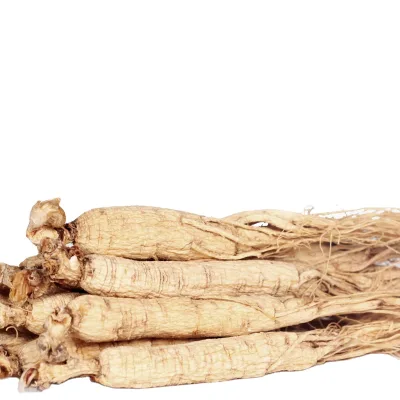

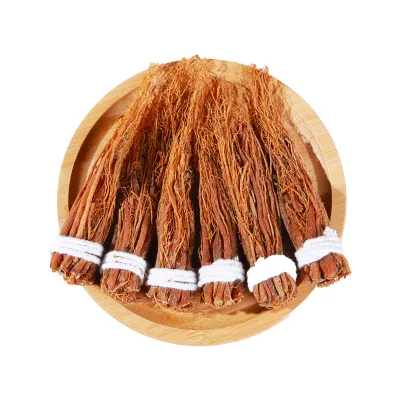
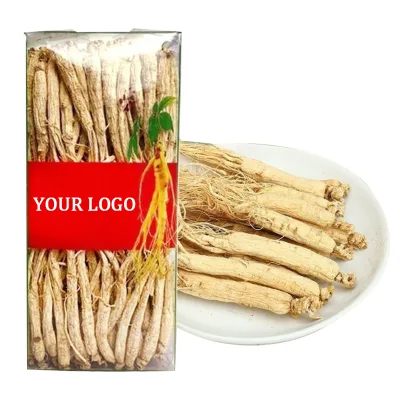
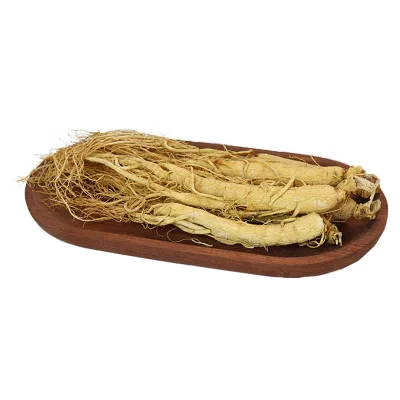
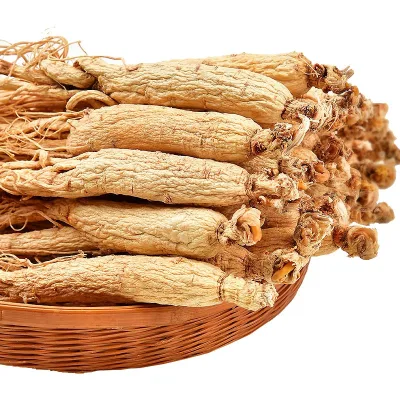
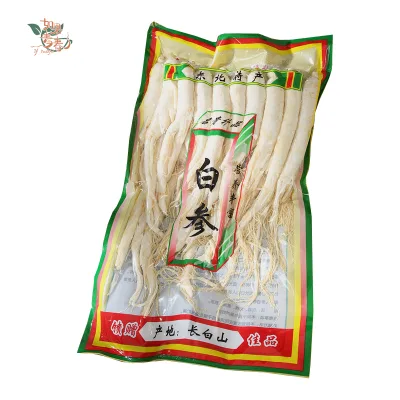
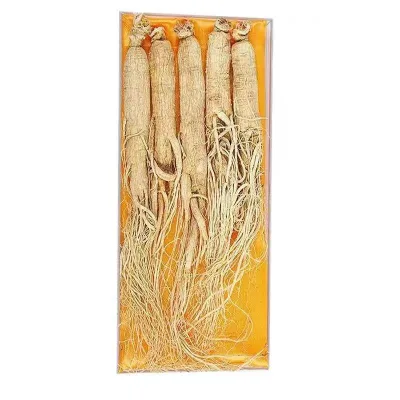


Comprehensive Sourcing Guide
Strategic Sourcing Guide for Soothing Cough Dried Ginseng Products
Understanding Product Attributes and Medicinal Properties
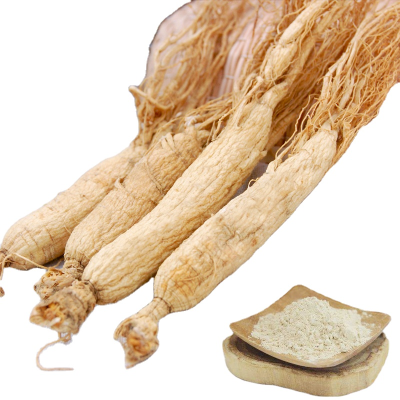
When sourcing dried ginseng products specifically targeted for soothing coughs and removing phlegm, buyers must first distinguish between the various forms and medicinal properties available in the market. The core keyword "Soothing Cough Dried Ginseng" implies a specific therapeutic application, yet the raw material landscape is diverse. Based on observed product data, ginseng is frequently categorized as "Crude Medicine" or "Food Grade" depending on its intended end-use, such as pharmaceutical extraction, tea preparation, or direct consumption. The medicinal property of "Soothing Cough & Removing The Phlegm" is a distinct attribute observed in specific listings, differentiating these products from those focused solely on regulating the flow of Qi.
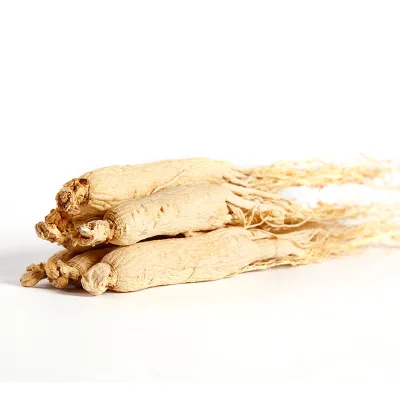
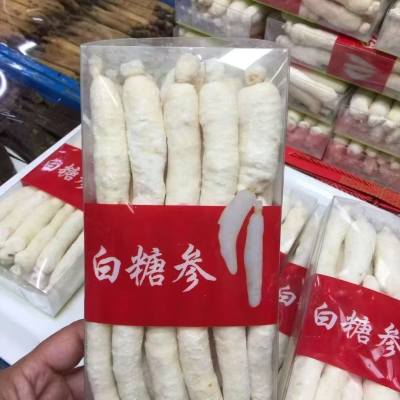
Buyers should recognize that the physical appearance of these products varies significantly. While some listings describe the product as "White" or "Yellow," others specify "Red" or "Natural" colors, often correlating with the specific variety, such as "White Ginseng" or "Red Ginseng Root Slice." The form is typically "Dried Root" or "Leaf," with the latter appearing in specific tea blends like "Ginseng Oolong Tea." It is critical to verify the Latin name and English designation, such as "White ginseng" or "Panax," to ensure the botanical origin matches the therapeutic requirement. The "Part" used can range from the root to the leaf, which directly impacts the extraction yield and the specific medicinal profile. For instance, a product labeled with the keyword "Schizonepeta" indicates a different botanical entirely, and buyers must ensure the supplier does not mislabel non-ginseng herbs as ginseng cough remedies.
Technical Specifications and Standardization
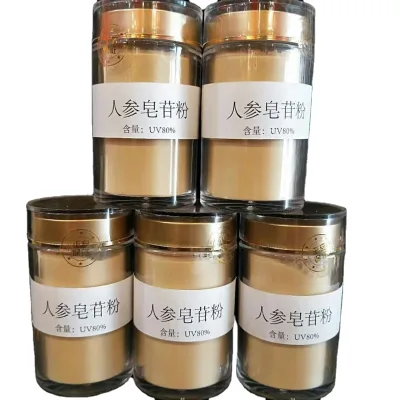
Technical specifications are the backbone of a reliable procurement agreement for dried ginseng. The standardization of the product is often defined by the packaging unit and the physical form. Observed data indicates that a common standard is "1kg/box" or simply "1kg," which serves as a baseline for bulk transactions. However, for more specialized applications like solvent extraction, the specification may be expressed as a percentage range, such as "5%-98%," referring to the concentration of active compounds. This variability requires buyers to explicitly define the required concentration or purity level in their purchase orders.
The physical form is another critical technical parameter. Products are listed as "Dried Root," "Root Slice," or "Leaf." The "Instruction for use" varies accordingly; some are intended to be "Fried Served with Water," while others are simply "Soak in Boiling Water" for tea, or "eat" directly. The "Water solubility" is noted as "freely soluble" in certain contexts, which is a vital technical indicator for pharmaceutical extraction processes. Buyers must verify if the product meets the specific "Extraction Type" requirements, such as "Solvent Extraction," or if it is intended for direct consumption as a crude herb. The "Grade" is frequently listed as "Food Grade," but for pharmaceutical applications, higher grades or specific medicinal certifications are necessary. The "Model Number" or "Product Model" often serves as an internal identifier, such as "ginseng" or "Red Ginseng," and should be cross-referenced with the physical description to avoid confusion between different processing stages.
Compliance, Certification, and Regulatory Standards
Navigating the compliance landscape for dried ginseng requires a rigorous verification of certifications and standards. The supply chain for these products often involves multiple regulatory bodies, particularly given the origin in "China Mainland" or specific provinces like "Anhui." Observed product data lists certifications such as "GMP" (Good Manufacturing Practice), "Sc," and "QS" (Quality Safety). These are critical indicators that the manufacturer adheres to specific production and safety standards. However, buyers must not assume that every listed product possesses all these certifications; each item must be verified individually against the supplier's current documentation.
The "Standard" for the product is often defined by the packaging unit, such as "1kg/box," but this does not replace the need for chemical or biological testing standards. For products intended for pharmaceutical use, the "Quality guarantee period" is a key metric, with observed data indicating a "2 years" shelf life for certain dried ginseng products. The "Shelf Life" is also listed as "12" months in other contexts, highlighting the importance of verifying the specific expiration timeline for the batch being purchased. Storage conditions are equally critical; the "Storage Note" frequently emphasizes "Moisture Proof" requirements, and the "Storage Type" is often described as "Dry sealing." Failure to maintain these conditions can degrade the medicinal properties, particularly for products claiming to soothe coughs. Buyers should also check the "Manufacturer" details, such as "Changchun Jinzi Agricultural Products Co., Ltd," to ensure the entity is legitimate and capable of providing traceability documents.
Cost Drivers and Pricing Dynamics
The pricing of dried ginseng products is influenced by a complex interplay of factors, including the variety, processing method, and certification status. The observed price range in the market spans from $1.3 to $117.3 USD, a significant variance that reflects differences in quality, grade, and form. "Red Ginseng" and "White Ginseng" often command different price points due to the additional processing steps required for red ginseng. Similarly, products with specific medicinal claims, such as "Soothing Cough & Removing The Phlegm," may be priced higher than generic "Crude Medicine" due to the targeted therapeutic value.
The Minimum Order Quantity (MOQ) is another major cost driver. The observed MOQ range is from 1 to 6000 units, with a specific "MOQ" of "1kg" noted for many listings. For small-scale buyers or those testing the market, an MOQ of 1kg is advantageous, while larger pharmaceutical manufacturers may negotiate based on bulk volumes. The "Selling Units" are typically "Single item," but bulk pricing structures often apply for larger orders. Buyers should also consider the "Packaging" costs, as options range from "Carton" and "Bag" to "Drum Bag" and "Plastic Bag." The choice of packaging affects both the unit cost and the logistics expenses. Additionally, the "Ingredients" list, which sometimes states "no" specific additives, can influence the price, as pure, unadulterated products often carry a premium.
Typical Applications and Usage Scenarios
The applications for Soothing Cough Dried Ginseng are diverse, spanning pharmaceutical, extraction, and consumer tea markets. The "Usage" field in product data explicitly lists "Pharmaceutical, Extraction, Tea," indicating the versatility of the raw material. In the pharmaceutical sector, the product is used as a base ingredient for formulations targeting respiratory health. The "Medicine Property" of "Soothing Cough & Removing The Phlegm" makes it a primary candidate for these applications. For the extraction industry, the "Extraction Type" of "Solvent Extraction" is utilized to isolate specific active compounds, which are then used in various therapeutic products.
In the consumer market, the product is often marketed as a health tea. The "Keyword" "Ginseng Oolong Tea" suggests a blend where ginseng is combined with tea leaves to create a beverage with soothing properties. The "Dosage" instructions for these products vary; some are designed to be "Soak in Boiling Water," while others are "Fried Served with Water." The "Part" used, such as "Leaf" or "Root," determines the preparation method. For example, a "Leaf" product might be more suitable for tea infusions, while a "Dried Root" might be preferred for decoctions or direct consumption. The "Instruction for use" of "eat" indicates that some forms are intended for direct dietary supplementation. Buyers must align their procurement with the specific application to ensure the product form matches the intended usage.
Supplier Evaluation and Quality Control
Evaluating suppliers for dried ginseng requires a multi-faceted approach, focusing on their ability to meet technical, regulatory, and logistical requirements. The "Manufacturer" name, such as "Changchun Jinzi Agricultural Products Co., Ltd," provides a starting point for due diligence. Buyers should verify the "Address" and "Place of Origin," which are listed as "China" or "Anhui, China," to ensure the product comes from a region known for ginseng cultivation. The "Customization" availability is another key factor; if a buyer requires specific packaging or processing, the supplier must confirm that "Customization: Available" is a genuine capability.
Quality control is paramount, especially given the "Quality guarantee period" of "2 years" observed in some listings. Buyers should request batch-specific test results to verify the "Water solubility" and the absence of contaminants. The "Storage Note" of "Moisture Proof" must be strictly enforced during shipping and storage to maintain product integrity. The "Appearance" and "Color" should be consistent with the agreed specifications, whether "White," "Yellow," "Red," or "Natural." The "Latin name" and "English name" must match the botanical requirements to prevent substitution with inferior or incorrect species. Additionally, the "Grade" of "Food Grade" should be confirmed for consumer products, while pharmaceutical products may require higher standards.
Long-Term Procurement Considerations
Sourcing dried ginseng for long-term supply chains involves considerations beyond the initial transaction. The "Shelf Life" of "12" months or "2 years" dictates the inventory management strategy. Buyers must plan their ordering cycles to ensure that products are consumed or distributed before expiration, particularly for perishable herbal medicines. The "Packaging" options, such as "Carton," "Bag," "Drum Bag," or "Plastic Bag," should be selected based on the storage environment and the duration of the supply chain. Moisture-proof packaging is essential for maintaining the "Moisture Proof" storage requirements.
The "Standard" of "1kg/box" or "1kg" provides a baseline for inventory planning, but buyers should also consider the flexibility of the "MOQ" of "1kg" to manage cash flow and storage space. The "Extraction Type" and "Specification" of "5%-98%" may require long-term contracts with suppliers who can consistently deliver the required concentration levels. The "Certificate" status, including "GMP," "Sc," and "QS," should be reviewed annually to ensure ongoing compliance. Finally, the "Keyword" and "Product Name" variations, such as "Natural herbal white panax dried ginseng" or "china ginseng roots for sale," highlight the need for clear communication to avoid confusion between different product lines. By addressing these long-term factors, buyers can build a resilient and reliable supply chain for Soothing Cough Dried Ginseng products.
FAQs
What is the shelf life of Soothing Cough Dried Ginseng?
The shelf life is typically 12 months or up to 2 years depending on the specific product listing. Buyers must verify the quality guarantee period for each batch to ensure the medicinal properties remain effective during storage.
How should Soothing Cough Dried Ginseng be stored?
It must be stored in a moisture-proof environment using dry sealing methods to preserve quality. The product requires protection from humidity to maintain its integrity as a crude medicine or food grade ingredient.
Which certifications do ginseng manufacturers typically hold?
Common certifications include GMP, Sc, and QS for quality and safety compliance. Buyers should verify these specific documents with the manufacturer to ensure the product meets regulatory standards for pharmaceutical or food use.
Can buyers customize the packaging for dried ginseng orders?
Yes, customization is available for packaging requirements such as cartons, bags, or drum bags. Suppliers can accommodate specific needs, but the minimum order quantity often starts at 1kg for such arrangements.
What is the minimum order quantity for ginseng products?
The minimum order quantity ranges from 1 to 6000 units, with 1kg being a common standard. This allows flexibility for both small-scale buyers and large pharmaceutical manufacturers requiring bulk supplies.
How is Soothing Cough Dried Ginseng typically prepared for use?
It can be soaked in boiling water, fried and served with water, or eaten directly depending on the form. The preparation method varies based on whether the product is a leaf, root slice, or crude medicine.